Monday 15th June, 2026
In the first Plenary of the new Senedd earlier this month, a question was tabled to the First Minister asking what his Government was going to do about river pollution in Wales.
His answer was positive. It included developing a water management system designed in Wales for Wales, collecting better data and using science-led, outcome-based and risk-appropriate regulation.
However, the resulting debate and questions followed an all-to-familiar course. They centred around the water industry.
Only one mention of agricultural pollution was made, by Mike Hedges MS, the Labour member from Gŵyr Abertawe.
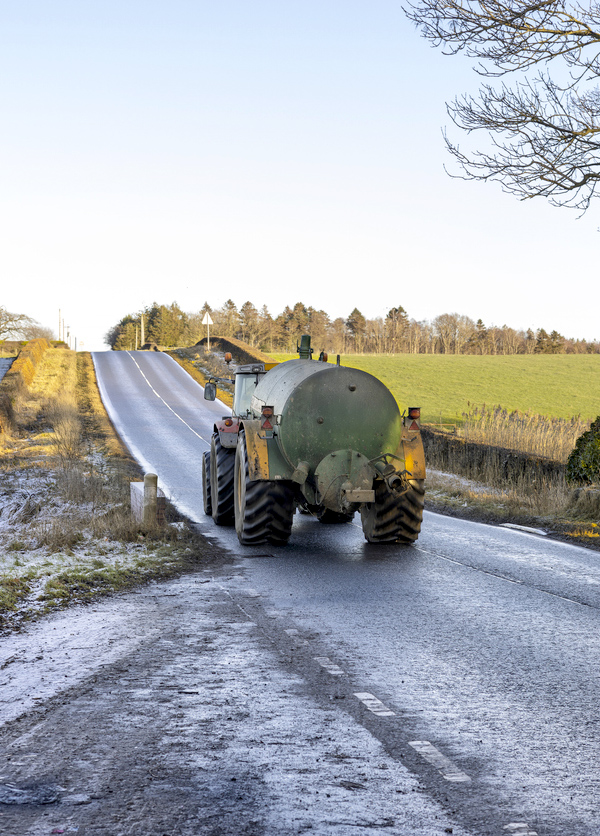
For many years, the previous Government tried to go down the voluntary route to resolve agricultural pollution, only to find the situation got worse during that period. That forced them to introduce the Control of Agricultural Pollution Regulations. (photo: iStock.com/Tosh Lubek)
Call for evidence
To be fair, the subject of changes to the Control of Agricultural Pollution Regulations was raised in last week’s Plenary with the Minister of Rural Resilience, Llyr Gruffyth MS.
He stated that the move away from the fixed closed period for slurry spreading would be “….not to neglect our responsibilities in terms of water quality, and minimising, and eradicating if we can, agricultural pollution.”
Also encouraging was today’s announcement by the Independent Environmental Protection Assessor for Wales of the launch of a 6-week ‘call for evidence’ into the how the law was being applied to agricultural sector’s impact on freshwater.
This follows a similar exercise carried out by the Assessor on the water industry last year.
We must come to terms with the fact that other sectors have impacts
The science-led evidence that some farms are polluting Welsh rivers has already been established.
Source apportionment of nutrients, Natural Resources Wales’s Water Framework Directive assessments and the regulator’s marine SAC assessments have all showed that agricultural impacts to rivers are a major cause of water quality failure.
The new Government and Senedd need to come to terms with the fact that previous tendencies to fixate on the water sector alone will not ensure the healthy rivers that the electorate is rightly calling for.
Quite simply, even if water companies cleaned up their act entirely, we will not have good river water quality in Wales unless impacts from what is a minority of farmers are also resolved.
Failing to resolve these impacts would also mean that constraints on housing will remain, economic growth will be stifled and the Government would fail to deliver its legal requirements for rivers.
6 actions towards resolving agricultural impacts
Some progress (albeit slow) was being made under the previous Welsh Government.
For many years they tried to go down the voluntary route to resolve agricultural pollution, only to find the situation got worse during that period. That forced them to introduce the Control of Agricultural Pollution Regulations.
With the new Government in place and with a mandate to tackle river pollution, here are six actions it should take if meaningful progress is to be made….
1. Reform regulation in Wales so it can deliver.
Our environmental regulator, Natural Resources Wales, must focus on its statutory role of regulation and enforcement.
It must be supported, not just with funding and resources, but with clear direction from Government. Regulations in Wales must be underpinned by science and evidence, and must deliver nature and water quality recovery.
2. Close the regulatory gaps that enable polluters to pollute.
After a review of the anaerobic digester industry and organic material land spreading practices as a whole, the previous Government accepted a joint Afonydd Cymru/Fish Legal challenge that gaps in regulation and the planning process were enabling pollution.
Wales’s Green Paper for water reform also acknowledged these gaps and the need to close them with a clear focus on the impact of intensive farming in Wales.
3. Implement improvements to regulations quickly.
Under the previous Government it took 9 months to enact the first of 23 recommendations made by Dr Susannah Bolton to improve the Control of Agricultural Pollution Regulations.
The others need to be implemented without undue delay to support both rivers and farmers.

After a review of the anaerobic digester industry and organic material land spreading practices as a whole, the previous Government accepted a joint Afonydd Cymru/Fish Legal challenge that gaps in regulation and the planning process were enabling pollution.
4. Ensure decisions are underpinned by science and data.
Excessive slurry spreading to land is one of the major impacts to river water quality. Farmers are given exemptions to do this for crop and soil need.
Varying the current calendar approach will need to be underpinned by extensive weather, soil and crop data, which would confirm the regulatory position as to whether the slurry is classified as fertilizer or waste.
However, this will require significant investment to implement and, following that, evidence-led decisions must being implemented.
5. Deliver the Sustainable Farming Scheme.
Encourage greater uptake by committing to a longer-term budget, provide enhanced payments to farmers when they deliver services as well as food production, ensure farmers can combine payments with other external market schemes and ensure that the SFS delivers better land management.
6. Embrace and elevate natural solutions to agricultural problems.
It is widely known that the relative health of a river catchment’s soil will have a beneficial effect on both the quality and volume of the water in that river. Plaid Cymru’s manifesto committed to the wider use of nature as a solution to flooding and to water quality issues. This very positive commitment must now be followed up on at pace by lifting the current regulatory constraints preventing it.